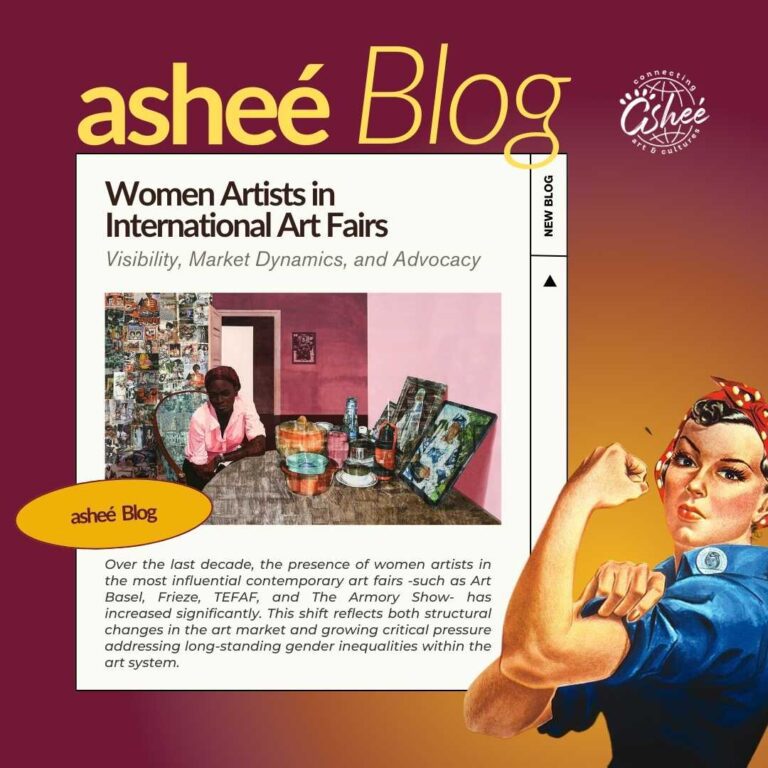
Women Artists in International Art Fairs (2015–2025)
Visibility, Market Dynamics, and Advocacy
By asheé staff
The Presence of Women Artists in Major Art Fairs: Real Progress or Symbolic Correction?
Over the last decade, the presence of women artists in the most influential contemporary art fairs -such as Art Basel, Frieze, TEFAF, and The Armory Show- has increased significantly. This shift reflects both structural changes in the art market and growing critical pressure addressing long-standing gender inequalities within the art system.
For much of the twentieth century and the early twenty-first century, women were significantly underrepresented in galleries, museum collections, and international art fairs compared to their male counterparts. Between 2015 and 2025, however, a gradual transformation has taken place: more galleries have incorporated women artists into their programs, and fairs themselves have increasingly highlighted this effort to correct historical imbalances.
Yet the key question remains whether this increase in visibility represents a genuine transformation of the market or whether it is, at least in part, a symbolic adjustment within existing institutional frameworks.
The Evolution of Female Representation in International Art Fairs
In the mid-2010s, several studies suggested that fewer than one third of artists represented by galleries were women. In that context, art fairs largely reproduced a deeply unequal market structure.
Over the past decade, these figures have gradually moved toward greater parity. Today, roughly between 35% and 45% of artists presented by galleries at international art fairs are women, depending on the specific fair and market segment.
This growth has been particularly visible in:
curated sections or special projects
solo presentations dedicated to historically undervalued artists
programs developed by younger or mid-size galleries
However, balance has yet to be achieved in the most commercially visible booths, where male artists continue to dominate.
This imbalance reveals a structural tension: while institutional discourse promotes diversity and equality, the economic core of the art market still reflects historical hierarchies.
Has the Market for Women Artists Also Grown?
Visibility does not always translate immediately into economic value. Although sales of works by women artists have increased over the last decade, a significant gap in the market still persists.
In the primary market -sales conducted directly through galleries- women artists today account for roughly 35% to 40% of total sales. At art fairs, the percentage is often slightly lower, particularly in the highest price segments.
The secondary market (auctions) shows an even greater disparity. Despite several recent auction records and the rediscovery of historically overlooked artists, the total value of works sold by women remains a fraction of the market dominated by male artists.
Several factors contribute to this imbalance:
historical inequalities in the formation of collections
lower museum representation during the twentieth century
fewer works available in circulation on the market
differences in promotional strategies among galleries and auction houses
In other words, the current market still reflects institutional decisions made over decades.
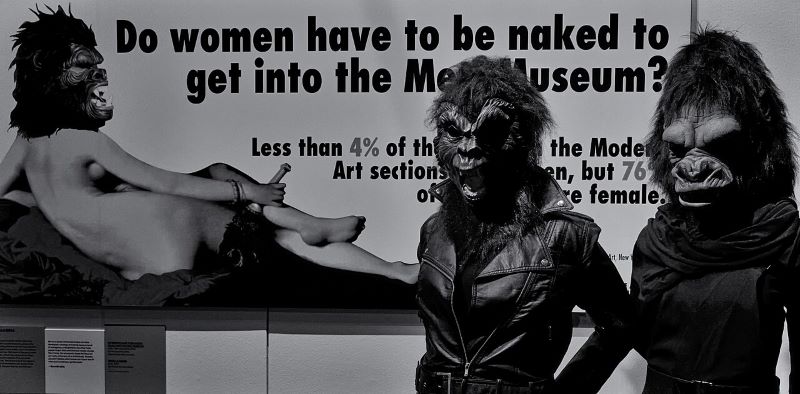
Members of the Guerrilla Girls in front of one of their early works, exhibited at the Victoria and Albert Museum.
Activism and Institutional Critique: The Role of Feminist Art Movements
The increased visibility of women artists cannot be understood solely as a natural evolution of the market. It is also the result of decades of activism and institutional critique within the art world itself.
One of the most influential collectives in this process has been Guerrilla Girls, established in New York in 1985. This anonymous group of artists and activists became widely known for campaigns exposing gender and racial inequality in museums, galleries, and art collections.
Their famous posters -many placed in public spaces near major museums- combined statistics with humor to highlight disparities. One of their best-known slogans asked: “Do women have to be naked to get into the museum?”, pointing out that while most nude figures depicted in museums were female, very few artists represented in collections were women.
These interventions had a profound impact. By introducing quantitative data into public debate, the Guerrilla Girls forced museums, galleries, and art fairs to confront the structural inequalities embedded in the art system.
Feminist Art and the Revision of the Canon
The work of collectives such as the Guerrilla Girls is part of a broader tradition of feminist art that developed during the 1970s. Artists such as Judy Chicago and Miriam Schapiro promoted movements that directly challenged the historical construction of the artistic canon, exposing the systematic exclusion of women from the narrative of modern art.
Since then, numerous curatorial projects, publications, and exhibitions have sought to recover overlooked artists and reconsider the criteria through which art history has been written. In recent decades, this historiographic revision has had direct consequences in the market: artists who were marginalized for years have been rediscovered and gradually integrated into museum collections, galleries, and international art fairs.
Art Fairs and the Construction of the Contemporary Canon
Art fairs are not merely commercial platforms. They also function as spaces of cultural legitimation where narratives about contemporary art are constructed. In this sense, the growing presence of women artists can be interpreted as part of a broader historiographic revision. Many galleries have recovered overlooked or underrepresented figures, integrating them into narratives that reshape the contemporary artistic canon.
However, this process raises critical questions:
Is the canon truly being rewritten, or are we witnessing a temporary correction?
Do emerging women artists receive the same structural support as male artists?
Will parity persist in the long term, or is it partly driven by market trends?
For many curators, art historians, and artists, the answer depends on the art system’s ability to transform its structures, not just its discourse.
Key Professional Demands of Women Artists
Despite progress over the past decade, many artists continue to highlight persistent inequalities within the art ecosystem. Among the most frequent demands are:
Institutional representation
Artists call for greater presence in museum collections, international exhibitions, and curatorial programs.
Market parity
On average, works by women artists still sell for less than those of male artists in comparable categories.
Access to top-tier galleries
The largest commercial galleries continue to represent proportionally fewer women artists.
Historical recognition
Many women artists of the twentieth century are still being rediscovered or revalued only recently, highlighting the need to revise the historiography of modern and contemporary art.
Ten Women Artists Who Have Reshaped the Art Market in the Last Decade
Over the past ten years, several artists have played a decisive role in transforming the perception and value of women’s artistic production in the international art market. Through major exhibitions, auction records, and strong representation at galleries and art fairs, these artists have expanded the reach of contemporary art and strengthened new narratives.
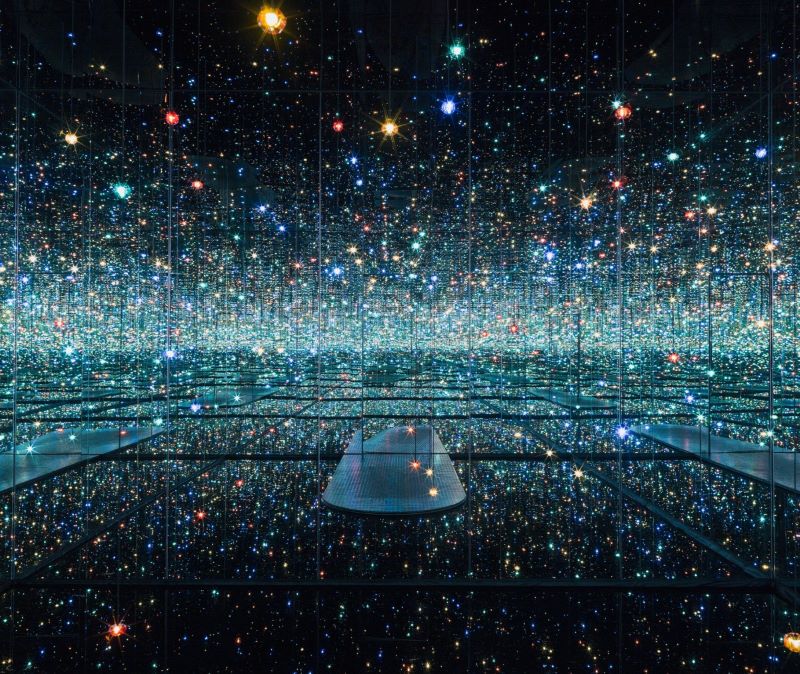
Yayoi Kusama
One of the most influential living artists in the world. Her immersive installations and iconic “Infinity Rooms” have had enormous impact across museums, fairs, and the global art market.
Cecily Brown
Her gestural and sensual painting has established her as one of the most valued contemporary painters in the international market.
Jenny Saville
A key figure among the Young British Artists, she has achieved some of the highest auction prices for a living female artist.
Julie Mehretu
Her large-scale abstract compositions, present in major museum collections, have reinforced the relevance of contemporary painting in the global market.
Amy Sherald
Internationally known for her portrait of Michelle Obama, her work has gained major visibility in museums, galleries, and art fairs.
Njideka Akunyili Crosby
Her hybrid practice combining painting, collage, and photography has redefined dialogues around identity, memory, and globalization in contemporary art.
Simone Leigh
Winner of the Golden Lion at the 2022 Venice Biennale, her sculpture explores the historical and cultural experiences of Black women.
Marlene Dumas
Widely considered one of the most important painters working today, with a strong presence in both exhibitions and the international market.
Tracey Emin
A central figure in contemporary British art whose autobiographical work has profoundly shaped conversations about identity and personal experience.
Hilma af Klint
Although she died in 1944, the recent rediscovery of her work has transformed the history of abstract art and generated immense institutional and market interest.
Toward a New Geography of the Art Market
The past decade has shown that the art market can evolve when critical pressure, historical research, and generational change among collectors and curators converge.
Art fairs, as central nodes in the global art system, have become key spaces for this transformation. Their evolution in the coming years will be a crucial indicator of whether the growing visibility of women artists consolidates into a structural change or remains a partial correction within the market.
What is undeniable is that the debate on gender equality in contemporary art—driven by both artists and activist collectives—has become central to curatorial discourse and to the functioning of the art market itself.
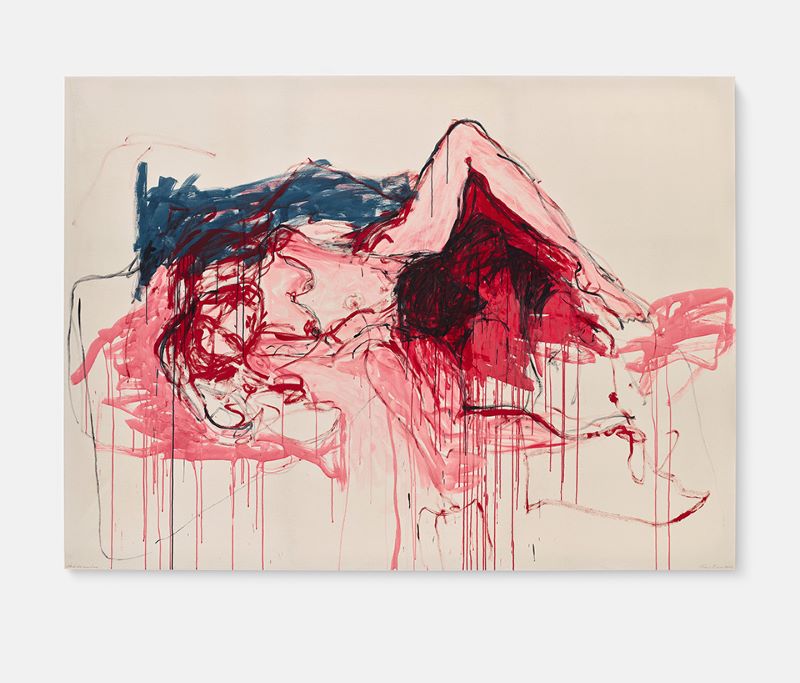
Tracey Emin
And It Was Love, 2023
Acrylic on canvas
205.5 × 279.5 cm
Yayoi Kusama
Infinity Mirrored Room – The Souls of Millions of Light Years Away, 2013
Wood, metal, mirrors, plastic, acrylic panels, LED lighting system, acrylic spheres, and water
287.7 × 415.3 × 415.3 cm